
Blog
The invisible price of travelling safely as a woman

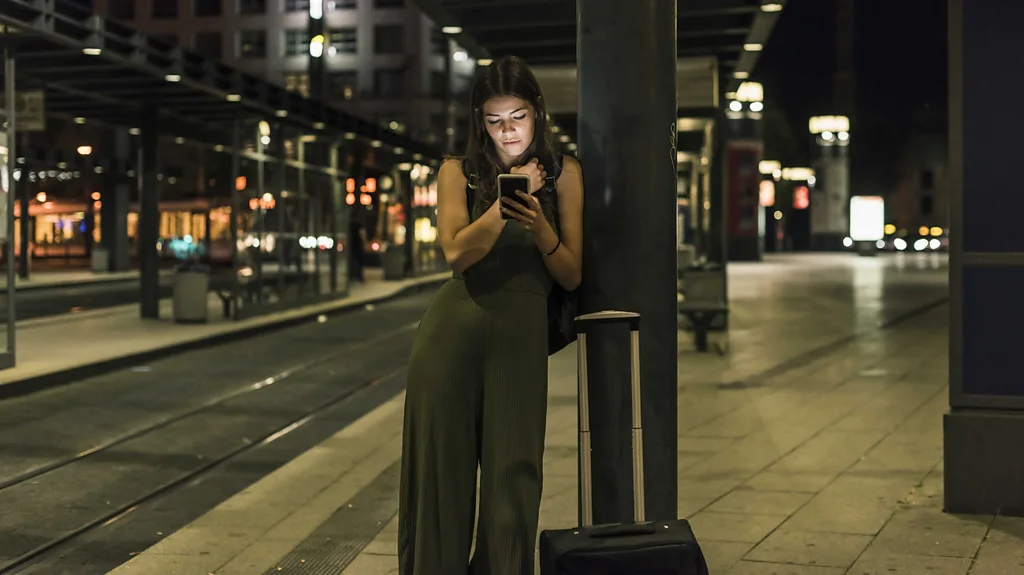
Women-only rooms are in high demand – and sometimes cost more. What does that tell us about the price of feeling safe?
At 23:00 on a wet Friday night in central London, I’m standing in the glowing lobby of a pod hotel in Piccadilly Circus staring at two nearly identical booking options on a self-service screen. A capsule on a mixed-gender floor costs £35 ($47) whilst a capsule on the women-only floor is £45 ($60).
The extra £10 doesn’t buy a bigger room, complimentary breakfast or a better view. The capsules are exactly the same: compact cocoons fitted with a mattress, mood lighting and just enough space to fully open a small suitcase. What the nearly 30% surcharge offers instead is a keycard-restricted corridor, a floor without men and, perhaps most importantly, the promise of sleeping a little easier in an unfamiliar city.
Most of the women around me barely glance at the price difference. But as I tap my card against the reader, I realise I’m not really weighing one room against another. I am weighing whether my peace of mind is worth the extra £10.
The ‘safety premium’
Because of the heightened risks of sexual harassment, physical assault and unwanted attention, travel often comes with a series of financial trade-offs for many women, such as paying more for centrally located hotels, taking taxis rather than walking at night or choosing women-only spaces over cheaper mixed accommodation.
It’s tempting to compare this with the “pink tax”, the term used to describe products or services marketed to women at a higher price than equivalent versions for men. But the costs of travelling safely are often less direct.